LoRa Mesh Networks for Disaster Communications: A Field Guide
Category
Decentralized Networks
Explore more in this category
When the cell towers go down, the internet goes with them. Here's how LoRa mesh networks like Meshtastic are quietly becoming the backbone of resilient community communications.
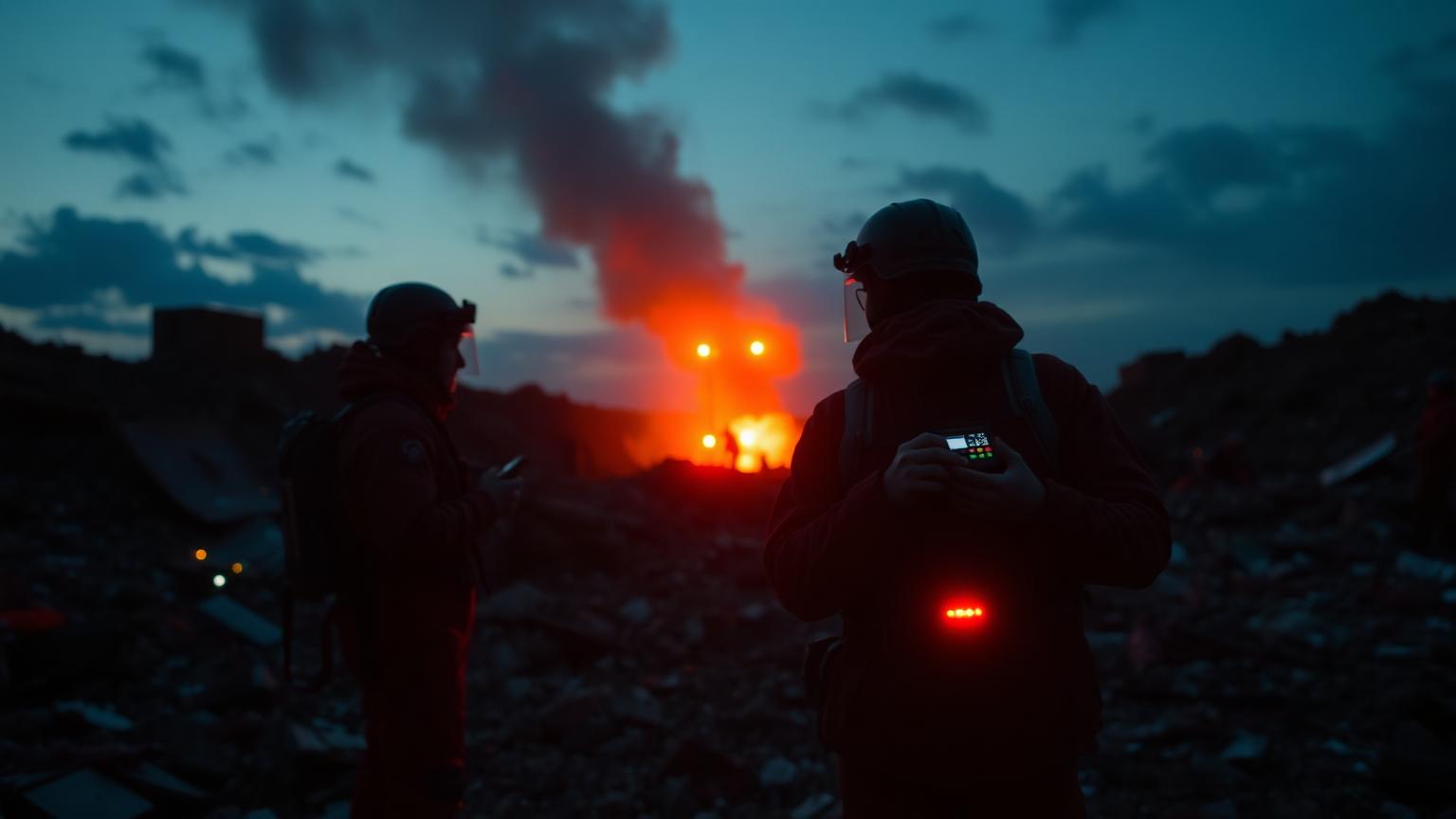
Hurricane Helene, the 2025 Spanish floods, and a string of regional wildfires have reminded the developed world of an uncomfortable truth: the communications infrastructure we depend on is more fragile than we like to admit. When the cell network goes down, most people lose the ability to coordinate, to find loved ones, or to call for help. A small but growing community is changing that with off-grid mesh radio.
Why LoRa, Why Now
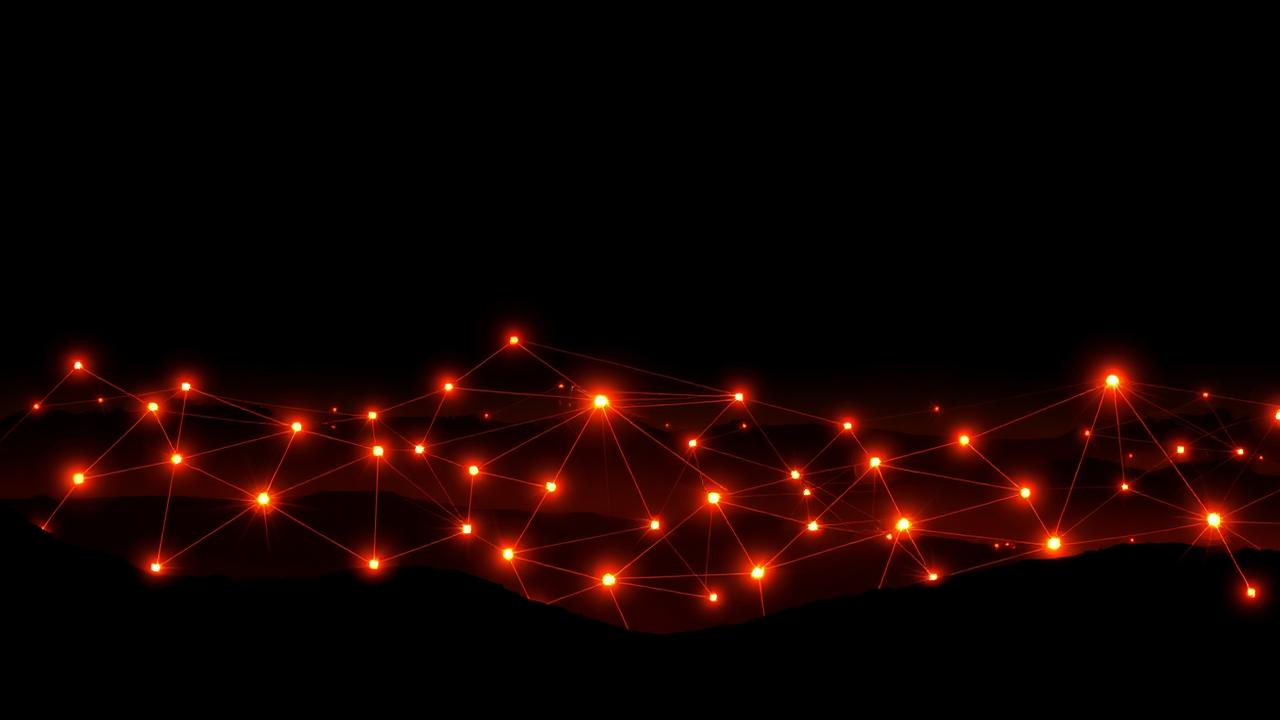
LoRa (Long Range) radio is a low-power, license-free wireless technology that trades bandwidth for range and battery life. A single $30 node can reach 5-15 kilometers in clear terrain, and a mesh of nodes can extend that across an entire region without any central infrastructure. Meshtastic, the dominant open-source firmware in this space, has turned LoRa into a genuinely usable peer-to-peer text and location messaging network.
What It's Good For
LoRa mesh networks shine for short, infrequent messages — coordination during emergencies, location sharing across hiking groups, neighborhood alert networks, and basic logistics in places where cellular coverage is unreliable. They are not a replacement for the internet. They are a parallel network that keeps working when the internet does not.
Building a Community Mesh
The most resilient community meshes are built before they are needed. A typical starter network is a dozen solar-powered nodes placed on hilltops, water towers, and rooftops across a town, plus pocket-sized handheld nodes carried by volunteers. Total cost: a few hundred dollars. Total range: enough to cover a small city.
The Bigger Picture
Mesh radio is part of a broader resurgence of interest in decentralized, off-grid infrastructure — from community solar microgrids to local-first software. The shared insight is that resilience is not just about making centralized systems more reliable. It is about ensuring that, when those systems inevitably fail, communities have parallel tools that keep working anyway.
When the next disaster strikes, the people with mesh radios will be the ones still coordinating.