
The 2026 Ransomware Playbook: What Changed and What to Do About It
Category
Cybersecurity
Explore more in this category
Ransomware operators have evolved past simple encryption. Here's the modern double-extortion, data-leak, and supply-chain playbook — and the controls that actually blunt it.
Ransomware in 2026 looks very little like the WannaCry-era attacks that defined the threat in public imagination. Today's operators run professionalized, multi-stage campaigns that combine data theft, encryption, public extortion, and downstream pressure on customers and regulators. The good news: the defensive playbook has matured just as much.
The Modern Kill Chain
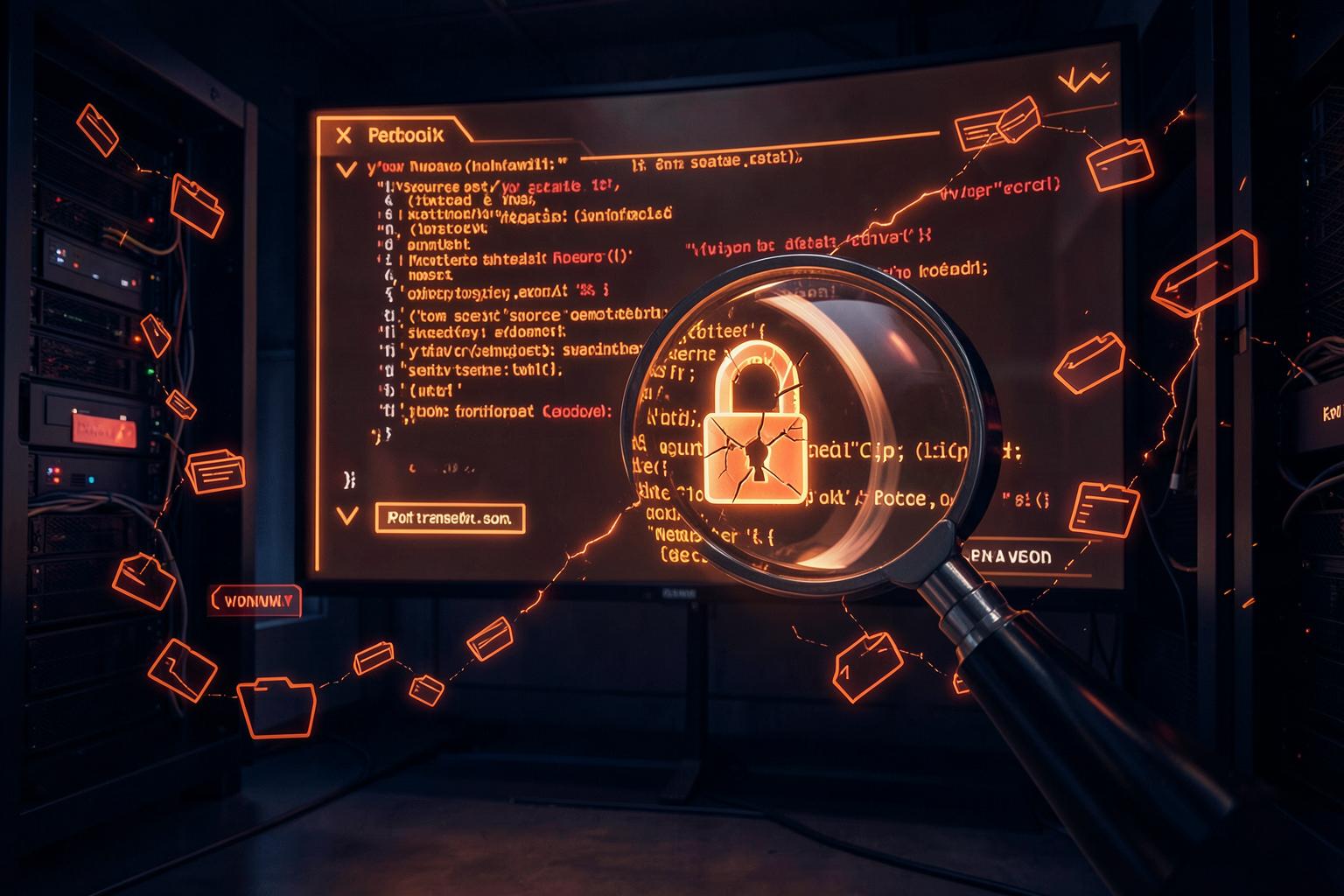
A typical intrusion now begins with a stolen credential — purchased on an initial-access-broker market — followed by weeks of quiet reconnaissance. The operator maps your backup infrastructure, identifies your most sensitive datasets, and only then triggers encryption. By the time you see the ransom note, the data is already exfiltrated and the backups are already compromised.
Why Pure Backups Are No Longer Enough
Immutable, offline backups remain essential, but they no longer end the conversation. Even with perfect recovery, the threat of public data leaks creates regulatory, contractual, and reputational pressure that pushes many victims toward payment. Plan for the data-leak scenario explicitly: know what data you hold, classify it, and assume that any of it could be published.
The Controls That Actually Work
Three controls consistently appear in the post-mortems of organizations that contained intrusions early: phishing-resistant MFA on every privileged account, EDR with 24/7 managed response, and aggressive network segmentation around backup and identity infrastructure. None are glamorous. All are decisive.
Tabletop Before You Need It
Run a tabletop exercise that walks through the first 72 hours of an active incident — legal counsel, communications, insurance, law enforcement, and technical recovery in the same room. The first time you have these conversations should never be at 3 a.m. on a Saturday.
Ransomware is now a business. Defend like one.